
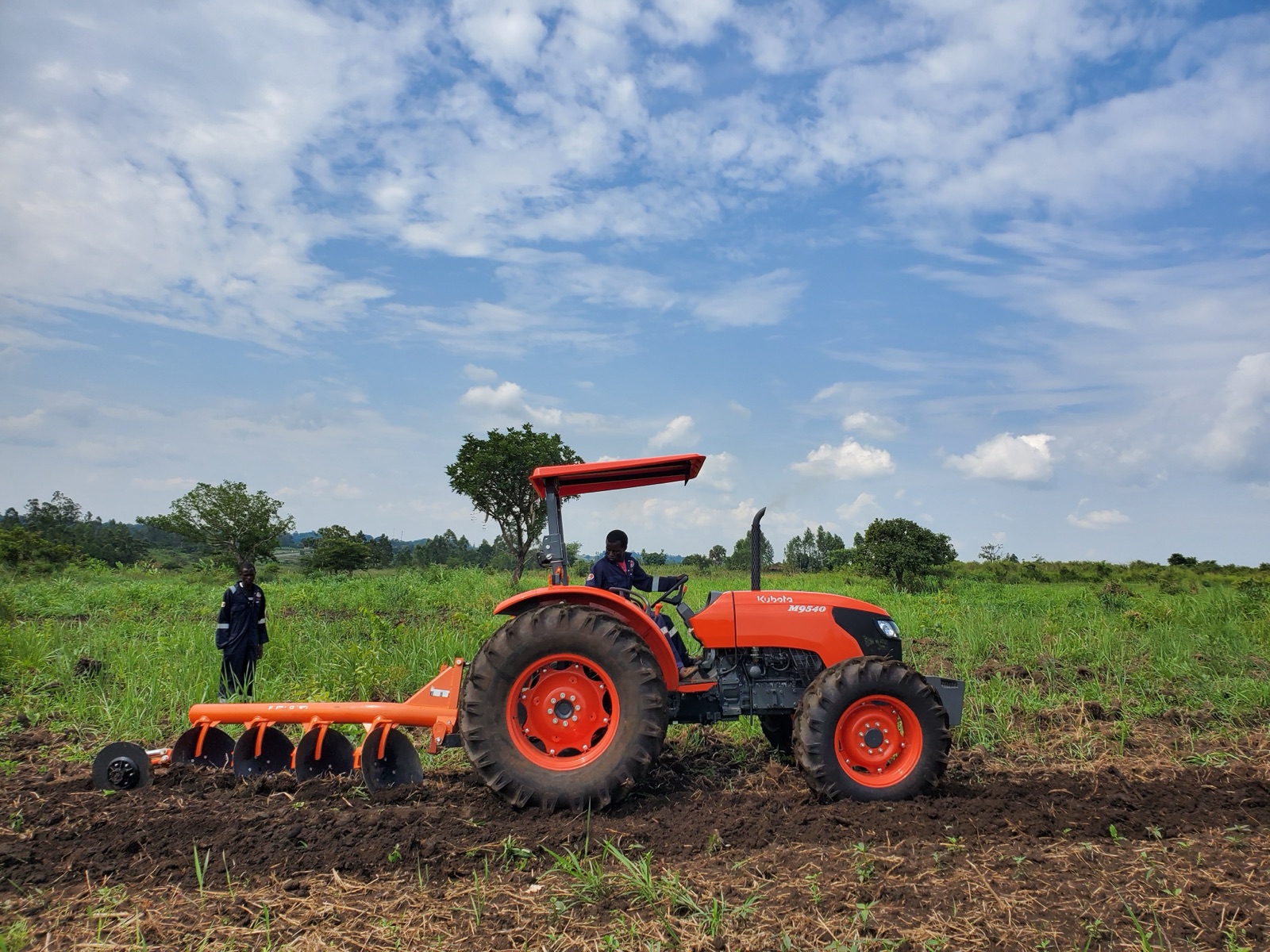
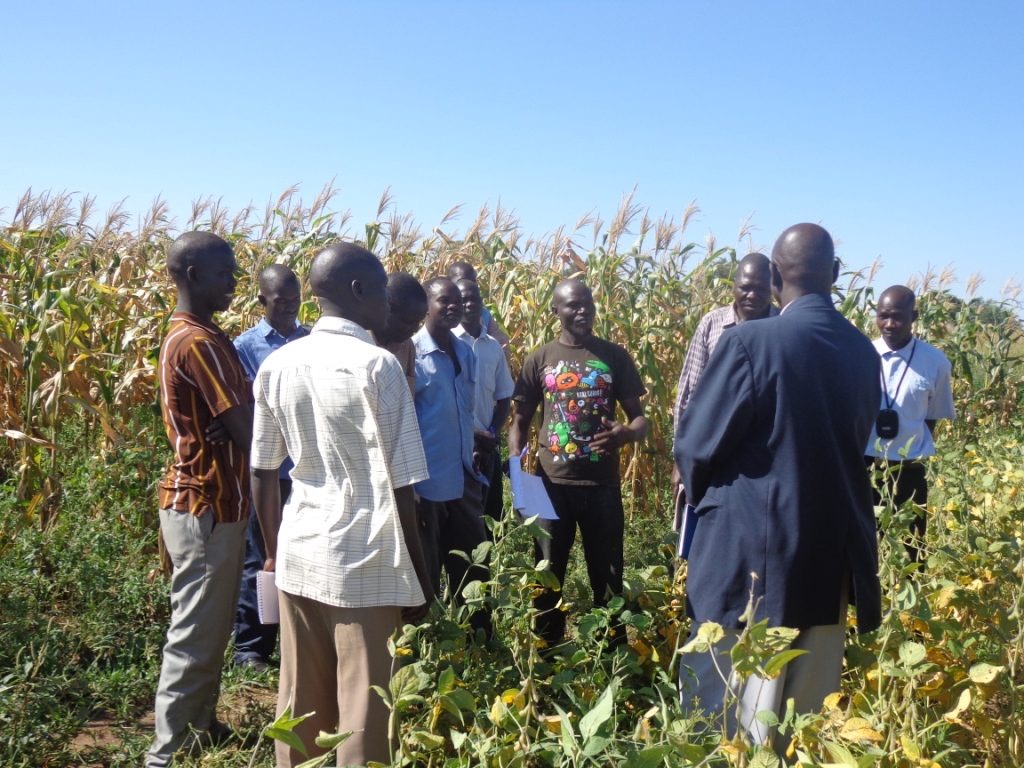

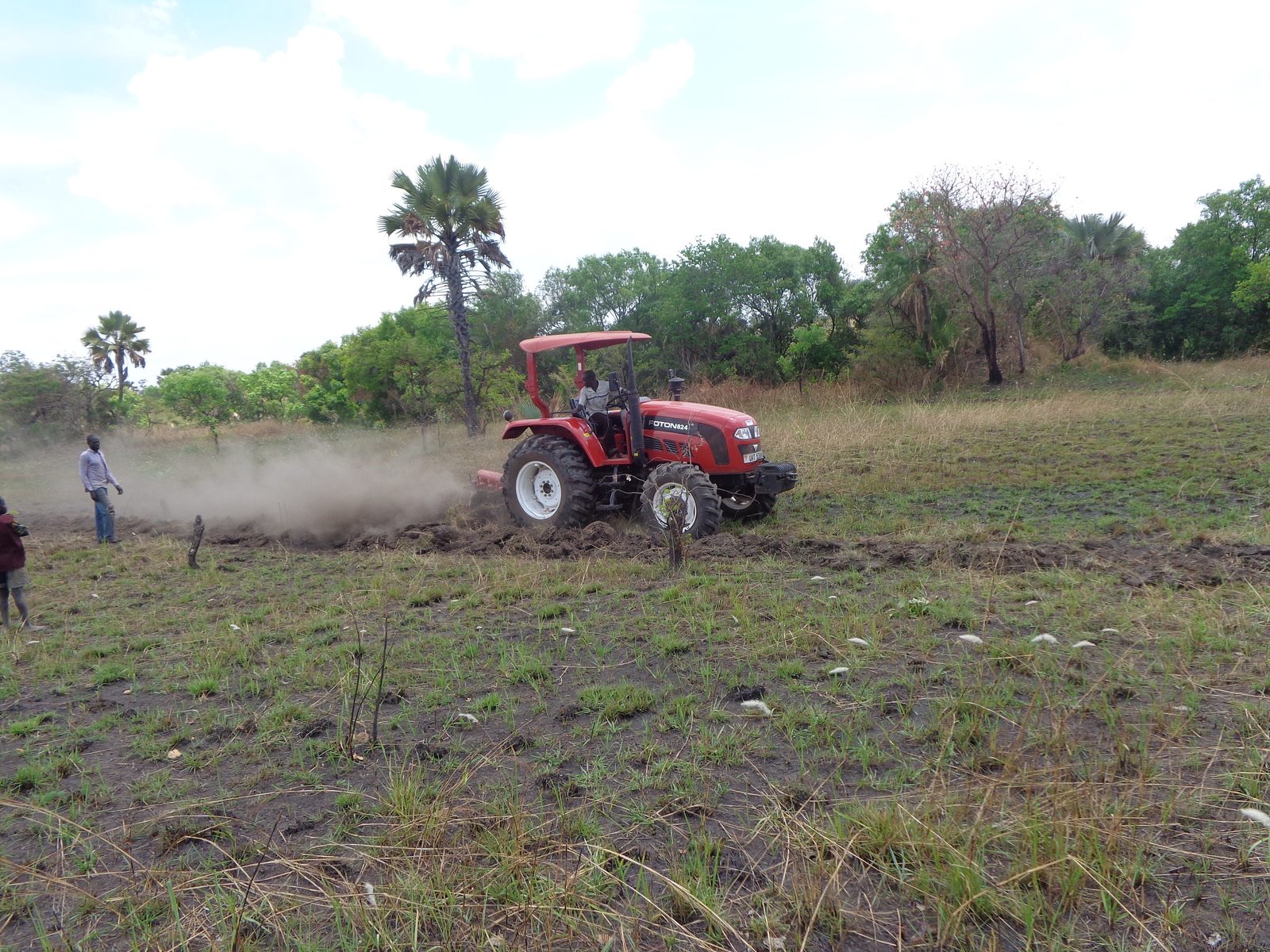
Hiring a tractor is the single biggest decision many smallholder farmers in Northern Uganda make each season. Get the timing and the price right and you plant on time, on more land, for less than the cost of hired labour. Get it wrong and you either miss the rains or pay a middleman more than the job is worth. This guide lays out what tractor hire actually costs across the Acholi, Lango, Karamoja and West Nile sub-regions in 2026, what moves the price, and how to book without being overcharged.
- Private ploughing in the north typically costs UGX 70,000–120,000 per acre in 2026.
- Government-subsidised schemes have offered ploughing from UGX 40,000 per acre, against around UGX 120,000 charged by private owners.
- Price is driven by terrain, distance, fuel and field condition, not a fixed rate.
- Booking through a cooperative or hub gets you a vetted machine, a published rate, and a member discount.
What a tractor service actually costs per acre
There is no single national price for tractor hire, because every field is different and fuel prices move. NUTOFA SACCO publishes its own rate card; the figures below are the cooperative’s rates for fully registered members, revised in 2026 to reflect overhead costs including fuel. Non-members are quoted at market rates as per location, and most private operators sit in a similar band.
| Operation | Member rate | What you get | Typical per-day capacity |
|---|---|---|---|
| Tractor ploughing (land opening) | UGX 100,000 / acre | Primary tillage: breaking and turning the soil | ~3 acres / day |
| Threshing | UGX 100,000 / acre | Separating grain from the crop after harvest | varies by crop |
| Disc harrowing | UGX 70,000 / acre | Secondary tillage: breaking clods into a fine seedbed | ~6 acres / day |
| Planting | UGX 70,000 / acre | Mechanized row planting at the correct spacing and depth | varies by crop |
| Fertilizer spreading | UGX 70,000 / acre | Even mechanical application of fertiliser | varies |
| Weed control / boom spraying | UGX 70,000 / acre | Boom-sprayer application for weed control | varies |
| Combine harvesting | UGX 150,000 / acre | Cutting and threshing cereals in one pass, sourced through partners | varies by crop |
| Trailer work | negotiable | Haulage, quoted per trip, per bags or per task | - |
Ridging and other operations not listed are quoted on request through the secretariat.
Member advantageThe rates above apply to fully registered NUTOFA members and include fuel; non-members are quoted at market rates as per location. Members can pay in cash, mobile money, FlexiPay or in-kind at harvest. Booking is coordinated through the cooperative dispatch roster, so the nearest available machine is sent.
The price gap: subsidised vs private
The clearest picture of how much the channel matters comes from government data. When the Ministry of Agriculture piloted subsidised tractor services, the subsidised rate was about UGX 40,000 per acre for operations like ploughing and harrowing, against roughly UGX 120,000 per acre charged by private equipment owners for the same work. Independent reports from districts near Gulu put typical private ploughing at UGX 70,000–100,000 per acre, depending on conditions.
Indicative ploughing rates, UGX per acre, Northern Uganda, 2026. Subsidised pilots are limited and not always available; the cooperative member rate includes fuel and a vetted operator.
The lesson is not that subsidised is always available: it rarely is, and the pilots reach only a fraction of farmers. The lesson is that who you book through changes what you pay. A lone middleman with one tractor sets the price the market will bear. A cooperative with a roster of member-owned machines coordinates supply, publishes a rate, and returns the margin to members.
What drives the price
Terrain and field condition
Virgin land, heavy clay, stumps, slopes and waterlogged plots all slow the tractor down and push the per-acre rate up. A clean, previously cultivated field is cheapest.
Distance to the field
Tractors are slow to move on the road. The further the machine has to travel from its base, the more fuel and time are billed into your job. Group bookings in one area share that cost.
Fuel price
Diesel is the largest single running cost. When pump prices rise, per-acre rates follow within a season.
Season and demand
At the onset of the rains (around March–April) every farmer wants a tractor at once. Booking early, or booking as a group through a hub, protects you from peak-season scarcity.
Why a tractor beats the hand hoe on cost, not just speed
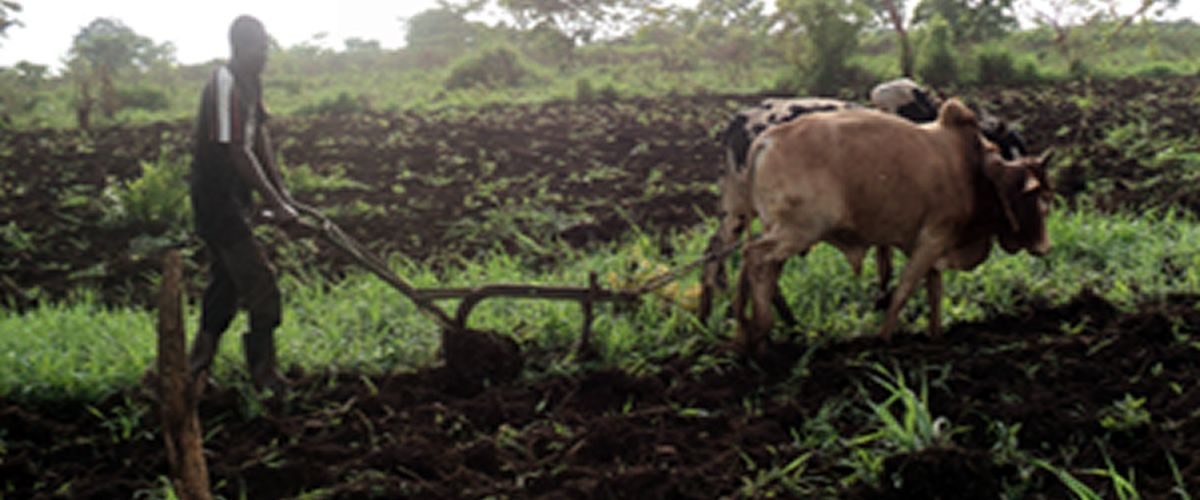
Across Uganda, the overwhelming majority of farm land is still prepared by hand. National studies have found that around 95% of farming households rely on the hand hoe, with animal traction and tractors used by only a small minority, and access to equipment has historically been lowest in the Northern region.
That reliance is expensive in a way that does not show up as a cash rate. Opening an acre of land by hoe takes many days of labour. If you hire that labour, it can cost as much as a tractor; if you do it yourself, the land is rarely ready when the rains arrive, and late planting is one of the biggest hidden causes of low yield. A tractor opens the same acre in a few hours, so you plant at the start of the rains when the crop has the best chance.
How to book a tractor near Gulu without being overcharged
Book through a cooperative / hub
- Published, predictable per-acre rate
- Vetted machine and certified operator
- Member discount and flexible payment
- Group bookings lower the travel cost
- Recourse if the job is done badly
Book a lone middleman
- Price set by what the market will bear
- No guarantee on machine condition
- Fuel terms often unclear until afterwards
- Little recourse for poor ploughing
- Peak-season scarcity drives the rate up
NUTOFA SACCO runs a mechanization service that coordinates member-owned tractors across the four sub-regions. You can become a member for the discounted rate, or book as a non-member at the public rate. At the main planting peak (the onset of the rains), book at least three weeks ahead; group bookings of 20+ acres attract a further discount. To book, call or WhatsApp the secretariat on +256 772 793 198, or use the contact page.
- Government of Uganda / Ministry of Agriculture, Animal Industry and Fisheries: subsidised tractor-hire pilot rates (UGX 40,000 vs ~120,000 per acre), 2020.
- Ministry of Finance, BMAU Briefing Paper 19/17: equipment access lowest in the Northern region; reliance on hand tools, 2017 (citing UBOS).
- NUTOFA SACCO LTD published mechanization rate card, 2026 (working figures).
Frequently asked questions
-
In 2026, private tractor ploughing in the Acholi and Lango sub-regions typically runs between about UGX 70,000 and UGX 120,000 per acre, depending on terrain, distance and fuel. Government-subsidised schemes have offered ploughing for as little as UGX 40,000 per acre. NUTOFA SACCO's ploughing rate for fully registered members is UGX 100,000 per acre; non-members are quoted at market rates depending on location.
-
Usually yes for a quoted per-acre rate: the operator factors fuel into the figure. Always confirm before work starts, because some private operators quote the service only and add fuel separately.
-
You can book through a mechanization cooperative or hub, a private tractor owner, an agro-dealer, or a digital tractor-sharing service. Booking through a cooperative like NUTOFA means the machine and operator are vetted and you pay a fair, published rate. Call or WhatsApp +256 772 793 198.
-
A hand hoe costs little to buy but is extremely slow: opening an acre by hand can take many days of labour, which either costs money in hired labour or costs you the planting window. A tractor opens the same acre in a few hours, letting you plant at the start of the rains when yields are highest.