
Groundnuts - gnuts, or bnut - are one of Northern Uganda’s most important crops: food on the table, sauce in the pot, and one of the most reliable cash earners a smallholder family has. Yet most farmers here harvest a fraction of what the same land could yield, and lose more of it after harvest than they realise. The gap is almost never the soil. It is seed, disease, timing and storage. This guide walks through each.
- Recycled local seed yields about 800 kg/ha; quality improved seed can roughly double that.
- Rosette disease is the biggest threat: it can wipe out a whole crop on susceptible varieties.
- Around 30% of seed on the Ugandan market has been found to be fake: source seed carefully.
- Uganda loses up to ~31% of groundnuts after harvest: good drying and storage protect your income and your health.
Start with the seed: it decides everything
The single biggest lever on your groundnut harvest is the seed you plant. Farmers who recycle grain from last season, or buy unverified seed from the open market, are starting the season at a disadvantage they can never recover.
The numbers are stark. With traditional, recycled varieties, farmer-level yields average around 800 kg per hectare. Uganda’s research institutes have shown that improved varieties under good management can reach two to three tonnes per hectare on station, and roughly double the national average in farmers’ fields.
Indicative groundnut yields. Farm-level figures depend heavily on rain, spacing and disease control.
Choosing a variety
Uganda’s National Agricultural Research Organisation, through its semi-arid institute (NaSARRI), has released a series of improved groundnut varieties, the Serenut series (Serenut 5R, 6T, 8R, 9T, 11T, 14R and others) and the newer Naronut varieties, bred specifically for higher yield and for resistance to rosette disease and leaf spot. The “R” and “T” suffixes denote the seed type (red Spanish/Valencia types and runner types).
Alongside these, Red Beauty, a popular red-seeded Valencia type, is in strong demand in the market for its colour and taste, which is why cooperatives often help members access it. Whatever variety you choose, the rule is the same: plant quality, disease-free seed from a trusted source, not recycled grain.
The counterfeit-seed problemAs of 2019, an estimated 30% of seed on the Ugandan market was found to be fake, and agro-dealers are a common source. Buy certified or quality-declared seed from a known producer, cooperative or registered dealer, never unlabelled grain sold as seed.
Beat rosette disease
Groundnut rosette is the major viral disease of groundnuts in Uganda and can cause total crop failure on susceptible varieties. It is spread by aphids and shows up as stunted, yellow, bunched-up plants. Your defences, in order of importance:
Plant a resistant improved variety
The Serenut and Naronut varieties were bred precisely to resist rosette: this is your strongest single protection.
Plant early and at the right spacing
Early planting at the onset of the rains, with close, recommended spacing, reduces aphid build-up and rosette spread.
Rogue out infected plants
Remove and destroy stunted, infected plants early so they don't seed the rest of the field.
How quality seed reaches farmers here
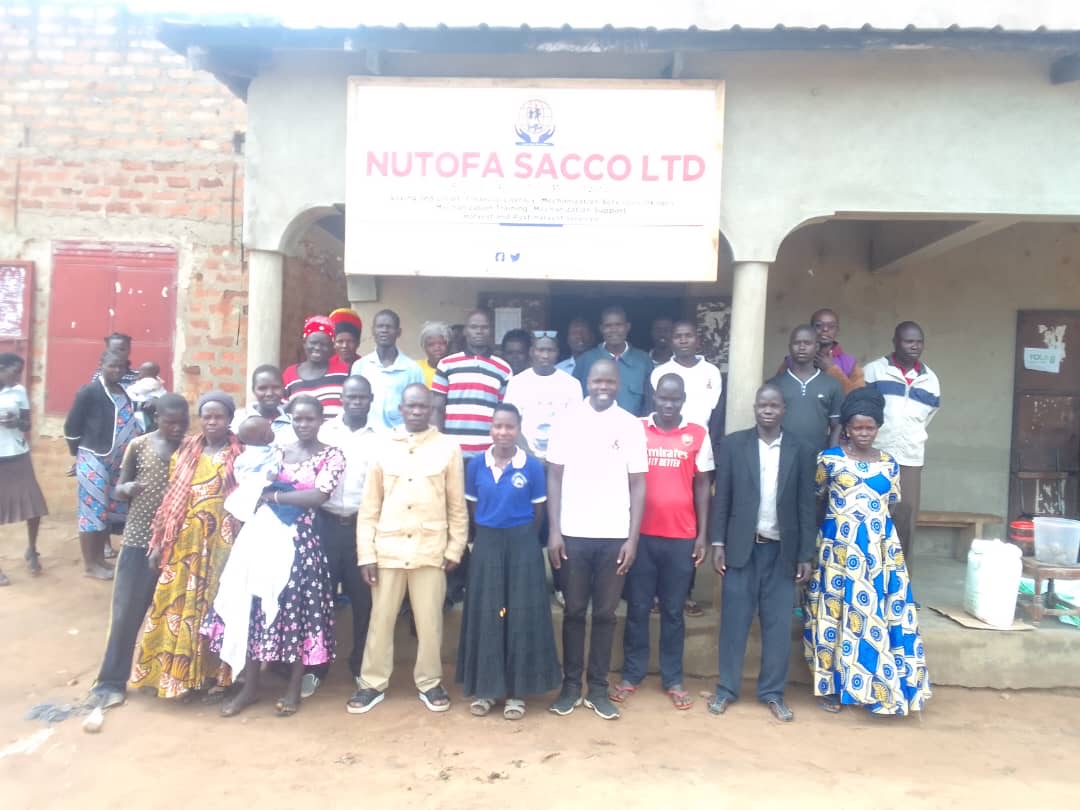
Quality seed is useless if a farmer can’t get it or afford it at planting time. This is exactly the gap cooperatives fill. NUTOFA SACCO, for example, has run a groundnut-seed access programme: working with a seed company, it supplies members with quality groundnut seed on a loan basis: farmers receive seed at planting and repay after harvest, with no upfront cash pressure.
A model that worksUnder one such scheme, members received seed and repaid two bags for every one bag after harvest. With one bag planted per acre yielding a minimum of around 15 bags, and a market price of roughly UGX 130,000–150,000 per bag, the repayment is comfortably covered, and the farmer keeps quality seed for the next season.
Aggregating demand this way also protects members from counterfeit seed, because the cooperative sources from verified suppliers in bulk.
Don’t lose it after harvest
Here is the loss most farmers underestimate. Studies put groundnut post-harvest losses in Uganda among the highest in Africa, up to around 31%, concentrated at shelling and storage. Worse, poor drying and storage breed aflatoxin, a toxin that makes nuts unsafe and unsellable to better markets, and which is a documented problem in Northern and Eastern Uganda.
Protects your harvest
- Harvest at full maturity, not late
- Dry on a tarpaulin or rack, off bare ground
- Dry quickly to a safe, low moisture level
- Shell with care; consider a mechanical sheller
- Store in clean, dry, well-ventilated or hermetic bags
Breeds loss and aflatoxin
- Leaving the crop in the ground too long
- Drying on bare soil
- Bagging while still damp
- Rough manual shelling that cracks nuts
- Storing in humid, poorly ventilated rooms
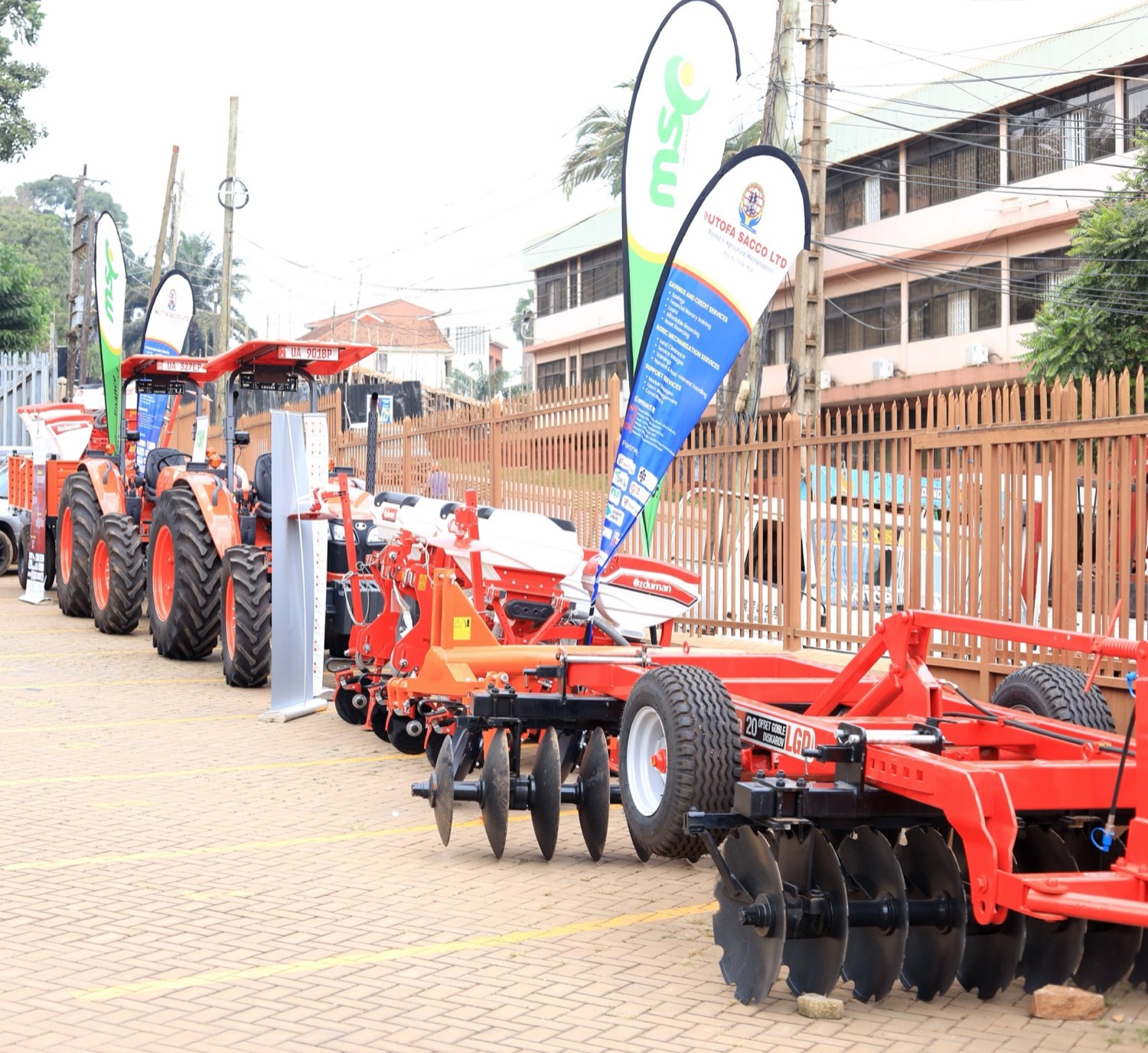
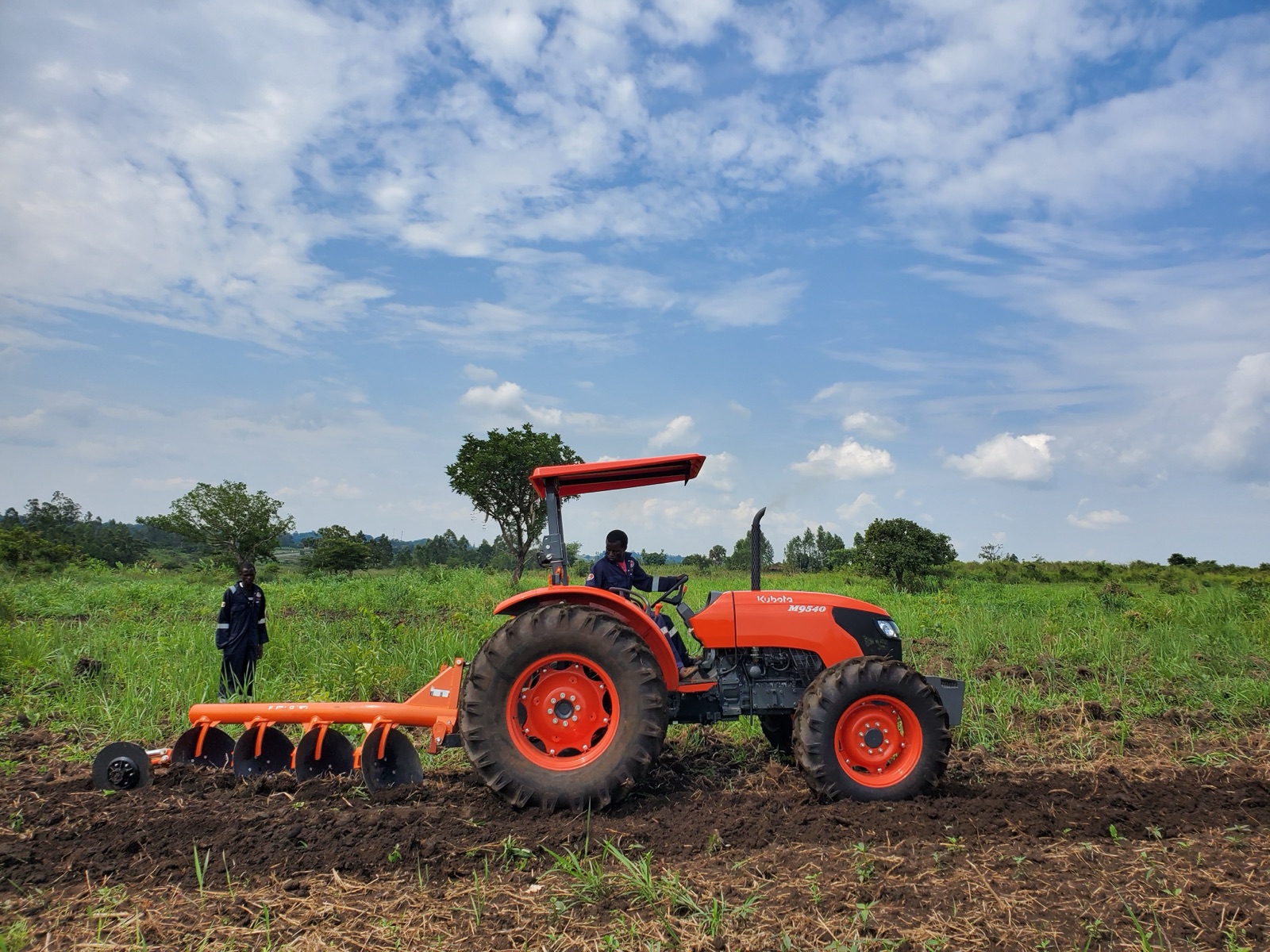
Mechanized threshing, shelling and drying, available through a mechanization service, cut both the physical losses and the aflatoxin risk, which is why post-harvest handling is part of the cooperative’s mechanization service, not an afterthought.
Sell at a fair price
A good harvest sold badly still leaves money on the table. Farmers who sell individually to roadside middlemen take whatever price is offered. Farmers who bulk their produce through a group or cooperative negotiate from strength and can earn a meaningful premium. We cover this in detail in getting a fair price for your harvest.
For NUTOFA members, seed access, mechanized post-harvest handling and collective marketing are part of the same membership. Learn about becoming a member or the cooperative’s services.
- NARO / NaSARRI: improved groundnut varieties (Serenut and Naronut series), bred for rosette and leaf-spot resistance.
- Tropical Legumes Hub / Okello et al. (Journal of Plant Registrations): yield gap between traditional (~800 kg/ha) and improved varieties; Serenut 5R registration, 2014–2015.
- Crop Protection: groundnut rosette as the major constraint causing total crop failure on susceptible varieties, 2015.
- Daily Monitor (citing UNBS / Access to Seed Index): ~30% of seed on the market found to be fake, 2019.
- Journal of Agriculture and Food Research: groundnut post-harvest losses up to ~31% in Uganda, 2023; Cogent Food & Agriculture: aflatoxin in groundnut and maize in Eastern and Northern Uganda, 2023.
- The Cooperator News: NUTOFA SACCO groundnut-seed access programme (loan model, yields, market price), January 2026.
Frequently asked questions
-
Use quality, improved seed from a trusted source. Uganda's research institutes (NARO/NaSARRI) have released improved varieties, the Serenut and newer Naronut series, bred for higher yield and resistance to groundnut rosette disease and leaf spot. Red Beauty, a popular red Valencia-type variety, is in strong market demand. Whatever the variety, the key is certified or quality-declared seed, not recycled grain.
-
The most common causes are recycled or poor-quality seed, groundnut rosette disease, late planting, and post-harvest losses. Farmers using local recycled seed often get around 800 kg per hectare, while improved seed and good practice can roughly double that.
-
Groundnut rosette is the major viral disease of groundnuts in Uganda. On susceptible varieties it can cause total crop failure. Using rosette-resistant improved varieties and planting early at the right spacing are the main defences.
-
Aflatoxin comes from mould that grows when nuts are harvested late or dried and stored poorly. Harvest at maturity, dry quickly off the bare ground (on a tarpaulin or rack) to a safe moisture level, and store in clean, dry, well-ventilated or hermetic bags.